 Eldimel Golpen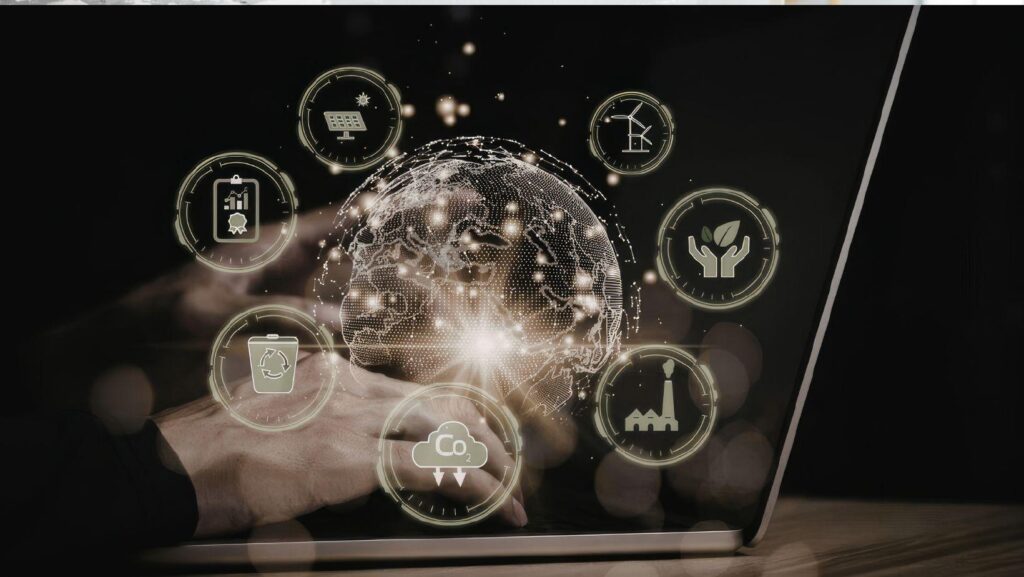
The world is changing at a pace that, to be honest, can sometimes be difficult to keep up with. When we swing our gaze across the horizon of the Tech Time niche today, all things that seemed like science fiction only a few years ago are resting on our desks or remain tucked in our pockets. Digital shift is complete, from how we organize ours from data to entertaining them to such as through https://www.outlookindia.com/xhub/e-gaming/10-web-sport-betting-2026 platforms. We live in an age that is blurring the lines between real and unreal.
The game now is no longer only about faster phones. It is about how the human experience changes through these Tech Innovations. We see it in the way we work, how we heal and how we connect with people around the world. This article looks at the biggest change-makers on the horizon. We’ll explore the systems that are making our lives slicker and honestly a little more exciting than they were before.
The Rise of Ambient Computing
For generations, we had to travel to a device in order to accomplish things. You had to sit in front of a computer or pick up a tablet. But among Breathtaking Tech Innovations is ambient computing. This is where the technology simply dangles in the background of your life. It reacts to your voice, your movements and even your habits without requiring you to touch a specific “start” button.
Imagine entering a room where the lighting, temperature and even your agenda for the day have already been synchronized. This is not only about smart bulbs. It’s about a cohesive ecosystem. These Tech Innovations aim to lower the “friction” of existence. You use your devices less and lead your life more. It is an understated but vast change in how we view usefulness.
How Every Interface Is Being Personalized by AI
We discuss AI a lot, but the real magic lies in personalization. Now, Tech Innovations have made with which software can learn your exact needs. Rather than use a one-size-fits-all app, the interface changes depending on what habits you typically engage in at a particular time of day. It is as though you had a digital butler who actually knew you, rather than one who simply obeyed your rudimentary voice-recorded orders.
Key points regarding AI Personalization:
Once-in-a-lifetime experience: Predictive Tasking: The system predicts what you will do next based on historical data.
Adaptive UI: Your dashboard layout adapts to emphasize the tools you use most often.
Language Nuance: AI’s understanding of slang and emotional context has never been better.
Energy Efficiency: Intelligent systems close background processes you’re not using, conserving battery life.
Sustainable Tech: Green is the New Gold
You can’t talk about what the future looks like without talking about planet. Sustainability is the focus of many new Tech Innovations. There’s hardware out of biodegradable material and processors that use 40% less power. This is very important because we have been expanding our digital footprint much faster. Companies are belatedly recognizing that being “tech-forward” also means being “earth-friendly.”
It’s impressive to see ocean debris be transformed into premium laptop casings. These are examples of Tech Innovations Showing that we don’t need to sacrifice performance for the sake of our environment. Indeed, many of these green technologies tend to be more resistant and long-lasting then the old-school plastic ones we used to grow up.
The Revolution of Decentralized Systems
Recently, privacy has been a big issue for everyone. This is also the reason, decentralized systems are one of the most critical Tech Innovations in this decade. Users have more ownership over their own data by decentralizing the back-end servers and operations. It significantly reduces the chances of large-scale data breaches occurring, as there is no longer one main “vault” hackers can go after. It’s a safer way to browse.
Points on Decentralized Benefits:
Data Sovereignty: You own your data, and you choose the visibility.
Lower Downtime: Since the network is distributed, it is much more difficult for the entire system to go down.
Stronger Security: Even if someone unauthorized wanted to tamper with the data, peer-to-peer verification makes it nearly impossible.
Reduced Fees: Going straight to the source tends to make services cheaper for end-users.
Extended Reality in our Daily Workspaces
We’re well past “VR is purely for gaming.” And now, Tech Innovations in Extended Reality are revolutionizing the workplace. Think of a virtual office where your workmates are “there” as high-fidelity avatars. You can co-edit on 3D models in real-time. That’s a significant step up from the dull 2D video calls we all grew tired of during the pandemic years.
The chocolate is getting smaller, too. We’re headed for glasses that resemble regular eyeglasses but can overlay digital information on the physical world. These tech innovations are making remote work feel a whole lot less “remote.” It fills the space between at-home and with the team. It’s presence, and it’s literally transforming the business world for the better.
Biotech Integration and Wearable Health
You know our watches can read our heart rate, but the next wave of Tech Innovations will go much deeper. We’ll be talking about sensors that can monitor glucose levels, or even detect early signs of becoming ill well before you feel symptoms. Such a proactive approach to health is transformative. It shifts us from “sick care” to true “health care” focused first on prevention.
Key features of Modern Health Tech:
Real-time Diagnostics: Continuous monitoring that notifies your doctor if any vitals fall outside a safe range.
Sleep Optimization: devices that fine-tune your room setting to help you stay in deep sleep for longer.
Non-invasive testing: New sensors that can read blood chemistry through the skin — no needles.
Mental Health Tracking: AI analyzes voice patterns for signs of high stress or anxiety.
What You Need to Know about Quantum Computing Effects on Security
It sounds like something out of a lab, but quantum computing is beginning to affect real-world Tech Innovations. These machines have so much processing power that they can solve problems taking conventional computers thousands of years to unravel. Which is particularly relevant for encryption and cybersecurity. We’re building “quantum-proof” systems to secure our digital lives against future threats.
It’s a little bit of an arms race, to be honest. As computers have become smarter, the locks we place on our data must also evolve. Future safety; the building block of these tech innovations. Without them, the digital economy would be too fragile to operate. It’s the invisible backbone of everything we do online, keeping our transactions and conversations private.
Edge Computing and Hyper-Speed Connectivity
We always want things faster. But speed is not only about the network; it’s also about where the data gets processed. One of those Tech Innovations is Edge computing, which places the “brain” closer to Users. Rather than sending data to a server that is halfway across the globe, it’s performed at the point of origin. This nearly eliminates lag, which is essential for applications such as self-driving cars.
Think about a car needing to make a split-second decision. It can’t wait for a signal to reflect off a satellite. Tech advancements that enable instant reactions. It creates a smarter and far more dependable infrastructure. For this amount of data being generated at every second, the only way to tackle it is through localized processing as we increase the number of “smart” devices in our cities.
The Future of Human-Machine Collaboration
And lastly, we need to consider how we work with these machines. The smartest Tech Innovations are not designed to replace us but augment us. They handle the mundane, menial work so that we may engage in creativity and solving complicated problems. It’s a partnership. To be fair, we should say that when we consume technology as a tool, not a crutch, we tend to unlock the potential we never knew was even there.
Why Collaboration Matters:
It frees us to keep dreaming the world that is beyond of what machine learning can do.
Error Reduction: Machines catch the little errors that fatigued human eyes might overlook.
Skill Scaling: With tech, one person can run projects that once needed an entire team.
Continuous Learning: Smart systems give on-the-spot feedback that enable workers to hone their craft.
Final
The Tech Time we are living in is one of Rapid change and (as they say) “Breathtaking” potential. Also, these Tech Innovations are not just gadgets; they are the base of a new world. It is critical that we remain alert and flexible as the tools in our life transition. The future isn’t something that just happens to us it’s a world we create using the phenomenal technology and capabilities available to us. Seek for more insights, keep the wonder up and appreciate this digital revolution.